Gravel a driveway cost
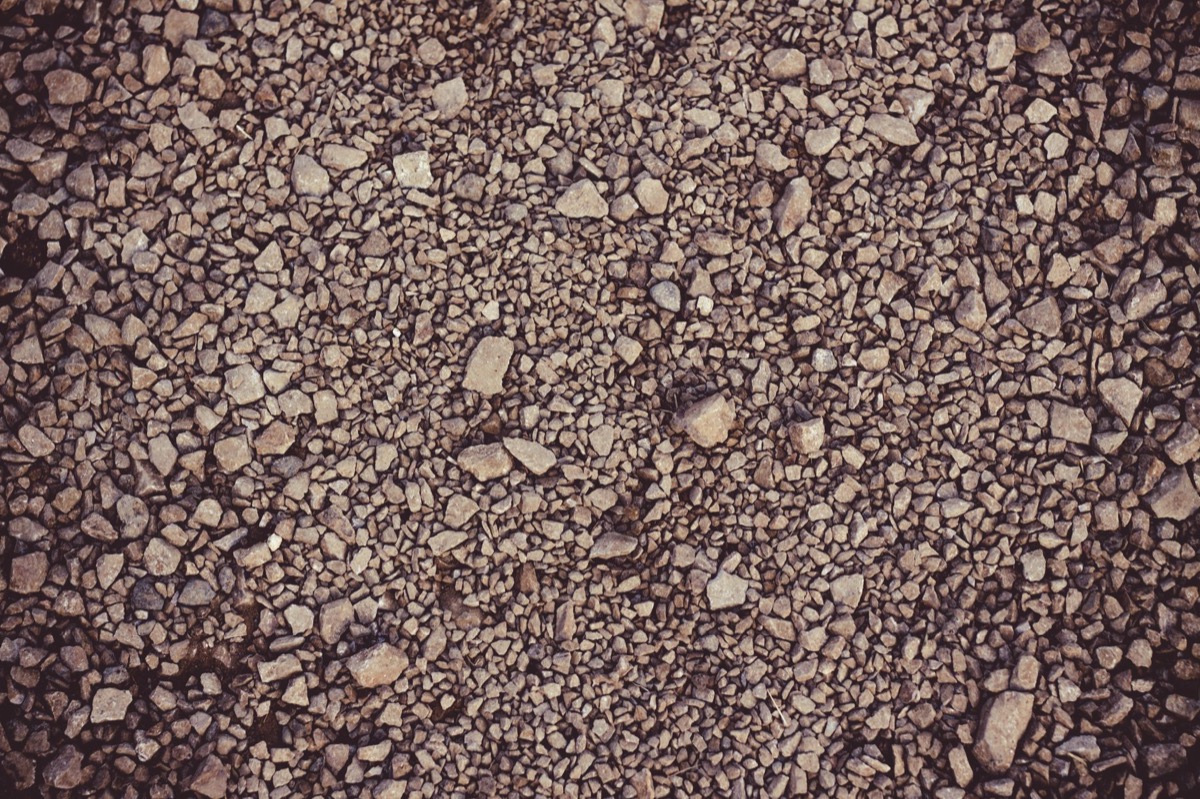
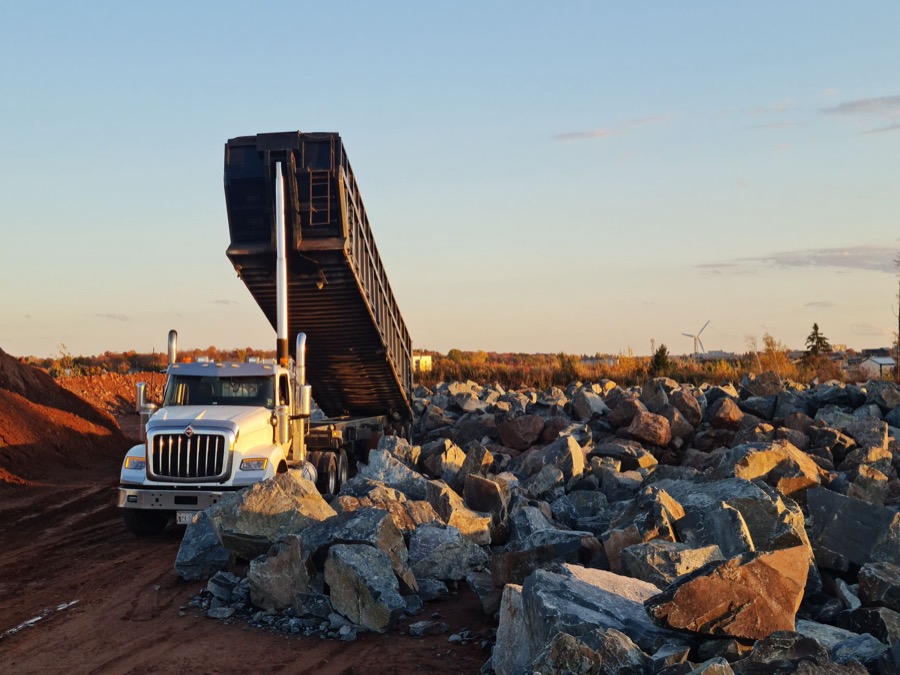
Estimated Gravel Driveway Material Costs
Why Homeowners Choose Gravel Driveways
Gravel driveways are a popular choice because they offer a lower upfront cost compared to concrete or asphalt surfaces.
They also allow for natural drainage and can be installed relatively quickly, making them practical for long rural driveways or secondary access paths.
Key Factors That Affect Gravel Driveway Cost
The total cost of graveling a driveway depends on several variables, including the size of the driveway, the type of gravel selected, the depth of material needed, and local labor rates.
Driveway length and width directly determine how many tons or cubic yards of gravel are required, which is the largest single driver of overall project cost.
Estimating How Much Gravel You Need
Calculating the right amount of gravel starts with measuring the driveway's length, width, and the intended depth of the gravel layer — a common recommendation is several inches deep to provide stable coverage.
Using a gravel calculator can simplify this process by converting your driveway dimensions directly into the quantity of material needed, helping you get a more accurate cost estimate before purchasing.
Additional Cost Considerations
Beyond material costs, homeowners should budget for site preparation such as grading or excavation, delivery fees, and any edging or base layer materials needed to keep gravel in place.
Ongoing maintenance costs, such as periodic regrading and topping off gravel that shifts or compacts over time, should also factor into the long-term budget for a gravel driveway.
Key takeaways
- Driveway size, gravel type, depth, and local labor rates are the primary factors that determine total gravel driveway cost.
- Accurately measuring your driveway dimensions and using a gravel calculator helps you estimate material quantities and avoid over- or under-ordering.
Related tools
Estimate materials with our gravel calculator on GravelMath.